How to Create Your Webpage More Usable in Hempstead, NY
If you want a stronger accessible website for Hempstead, NY customers, the best way is to combine smart web design, easy-to-follow messaging, and effective technical improvements. An accessible site is not just a regulatory task. It enhances usability, encourages better user experience, and helps a wider audience interact with your business whether they are booking an appointment, calling your office, filling out a form, or visiting in person.
For businesses in Hempstead and across Nassau County, accessibility also matters because many local customers browse on mobile while commuting or traveling around Long Island. If your site is hard to read, difficult to navigate, or incompatible with assistive technology, you may lose leads before they ever contact you. That affects trust, conversion rate optimization, and even search rankings.

What does website accessibility mean?
Website accessibility means designing and building pages so people with different abilities can use them without obstacles. This covers people with a visual impairment, people who rely on screen readers, people who use only a keyboard, and users with short-term or context-based limitations such as a cracked phone screen or poor lighting.
The main standard is WCAG 2.1, which gives guidelines for making content noticeable, operable, understandable, and robust. Practically speaking, that means your site should support keyboard navigation, readable text, logical structure, and clear interactions that work well with semantic HTML and assistive tools.
Accessible design is also closely tied to cognitive accessibility. Simple labels, simple instructions, and predictable layouts help users understand how to move through your site. As content becomes easier to process, the overall readability and content clarity improve for everyone.
Why does accessibility count for Hempstead businesses?
For community businesses in Hempstead, accessibility directly determines how well your website meets the needs of local customers. Whether you run a legal office, medical practice, eatery, home service company, or storefront, your website often acts as the first contact point. If a visitor cannot submit a form, see your hours, or make sense of your offerings, they may choose a competitor in Hempstead, Uniondale, Garden City, or West Hempstead instead.
Accessibility can also improve conversion rates. When people can easily view your pages, press buttons, and complete forms, they are more likely to reach out, reserve, or request directions. That is especially important for businesses that rely on scheduled visits, phone inquiries, forms, and walk-ins.
Another major reason is ADA compliance. While accessibility and legal compliance are not identical, an accessible site is a major step toward meeting expectations for equal treatment and equal access. A carefully designed compliance approach can limit risk and create a better experience for your audience at the same time.
For Hempstead companies using digital marketing and seo services, accessibility is also smart brand strategy. It shows that your business values access for all, expertise, and service quality. That trust can improve both your local standing and lead quality.
How do I turn my website more convenient to navigate?
Navigation is one of the key parts of an accessible site. A clear site structure helps people understand where they are and how to get where they need to go. Start with a organized navigation structure that groups content by service, location, and action. For example, a Hempstead business might organize pages around services, about, contact, service areas, and FAQs.
Your navigation menus should be uniform on every page and easy to use with a mouse, keyboard, or screen reader. Keep menu labels straightforward and descriptive. Avoid vague terms like “Solutions” or “More” when a more specific label would help users immediately understand the destination.
Strong internal links also make a site more manageable to explore. Link related pages naturally inside your content so users can move deeper into the site without returning to the homepage. This supports usability and crawlability, which can benefit local discovery and local SEO.
To improve structure even more:
- Use one primary navigation path for key services.
- Keep page names aligned with menu labels.
- Make sure every important page is reachable in a few clicks.
- Include a visible contact option on every page.
Good navigation helps both keyboard-only users and people using assistive technology. It also helps busy Long Island visitors who want fast answers on mobile.
What layout decisions improve accessibility?
Good design should not just look professional; it should aid reading and interaction. One of the most critical factors is color contrast. Text should stand out distinctly from the background so users can read it in direct sunlight, on older devices, or with low vision. High contrast ratio also helps people viewing your site on mobile during a commute around Nassau County.
Font size matters just as much. Text that is too small creates friction for many users, especially on phones. Choose type that is easy to read through and avoid long blocks of dense text. Strong spacing and clear paragraphs enhance readability and reduce fatigue.
Responsive design is crucial because many local customers browse on phones and tablets. A mobile-friendly layout should adapt easily across screen sizes without hiding important content or making buttons too small to tap. Since mobile accessibility is often where issues show up first, test forms, menus, and image sections carefully on smaller screens.
Other useful design practices include:
- Applying a clean layout with enough white space.
- Making buttons large enough for touch interaction.
- Not using color as the only way to show meaning.
- Ensuring videos and animations do not distract or overwhelm users.
Accessible design enhances the overall user experience and can increase engagement, especially for service businesses that need visitors to act quickly.
How might material be made easier to access?
Inclusive content starts with plain language. Choose everyday words, concise sentences, and clear explanations where possible. That does not mean dumbing down your message. Instead, it means making your offer easier to understand for a larger audience, including people with cognitive disabilities, non-native English speakers, and busy readers scanning on mobile.
A strong heading hierarchy is also essential. Headings should maintain a logical order so users and screen readers can understand the structure of the page. Start with one main heading, then arrange sections with H2s and supporting H3s when needed. This improves semantic HTML and makes content easier to skim.
Alt text should be added to relevant images so screen readers can describe them to users who cannot see them. Make alt text concise but useful. If an image is decorative, it should not take away from the page’s purpose. For photos that show your team, storefront, services, or location, alt text can support accessibility and context.
Further content improvements include:
- Writing descriptive link text instead of “click here.”
- Breaking up long sections into smaller chunks.
- Using bullets for lists and steps.
- Ensuring key phone numbers and addresses simple to locate.
Content clarity supports both users and search engines. It can help your pages perform better in search visibility while making your brand easier to connect with.
What technical repairs should be checked on each page?
Technical accessibility issues often affect the exact moments when a user tries to complete an action. In other words every page should be checked for form labels, focus states, and ARIA attributes where needed. This kind of detail make the difference between a smooth interaction and a frustrating dead end.
Each input field should have a clear label. This is core to form accessibility. Placeholder text alone is not enough because it disappears when users type. Labels help screen readers identify fields and also help all users understand what information is needed.
Focus states show keyboard users where they are on the page as they tab through menus, links, and forms. Without visible focus states, keyboard-only users can get lost. Strong focus styling is one of the simplest ways to support accessibility and improve usability.
ARIA attributes can help describe interactive elements when native HTML alone is not enough. Still, they should be used carefully and only when necessary. Proper structure and semantic elements should come first, because they are usually more reliable for accessibility tools.
Also check these page-level items:
- Skip navigation links for speedier keyboard navigation.
- Informative page titles and meta descriptions.
- Helpful error messages on forms.
- Orderly tab order for interactive components.
These improvements support both accessibility and conversion rate optimization, especially for service pages, appointment forms, and contact pages.
How can accessibility and SEO work together?
Accessibility and SEO support each other in practical ways. Clear structure, descriptive content, and fast-loading pages improve both search visibility and user satisfaction. Search engines benefit when your pages are easier to understand, while users benefit when pages are easier to navigate and read.
This is where seo services and accessibility strategy overlap. For example, proper headings, alt text, and organized internal links help search engines crawl your site more efficiently. At the same time, they improve the experience for users relying on assistive technology. Good accessibility also contributes to better page experience, which is growing in importance in modern optimization.
Accessibility work often improves crawlability, page speed, and content clarity. If your pages are well organized, easy to read, and mobile-friendly, visitors are more likely to stay longer and take action. That can support better local performance for Hempstead businesses targeting Nassau County customers.
When digital marketing campaigns send traffic to your site, accessibility helps you get more value from that traffic. Paid ads, email campaigns, and organic search all perform better https://canandaigua-ny14450bw063.iamarrows.com/high-converting-web-development-and-seo-services-for-hempstead-ny when users can complete tasks without friction.
Simply put, accessibility is not separate from SEO. It is part of a stronger, more effective web presence.

Which tools help audit accessibility?
A good site audit should include both automated and manual checks. Automation can catch many common problems, but it cannot detect everything. A complete accessibility audit usually combines technical scans, keyboard testing, screen reader checks, and content review.
Lighthouse is a useful starting point because it can identify several accessibility and performance issues directly in the browser. It helps surface missing labels, contrast problems, and other issues that affect users and page quality.
axe is another widely used tool for spotting accessibility issues during build work or review. It can assist surface issues with forms, headings, ARIA implementation, and contrast concerns. These tools are valuable for development teams, marketers, and business owners who want a clearer view of site health.
Still, tools only show part of the story. Manual testing matters because real users do not interact like automated checkers. A strong compliance audit should include:
- Keyboard-only navigation tests.
- Reader checks for important pages.
- On-the-go testing on multiple devices.
- Review of PDFs, forms, and multimedia.
If your business shares downloadable brochures, menus, policies, or service guides, keep in mind that accessible PDFs are part of the equation too. PDFs should be accessible by assistive technology, labeled properly, and structured for easy navigation.
When should you hire web design or AI experts?
Some accessibility improvements are easy to handle in-house. Others require expert help from professionals in web design, development, or strategy. If your website has serious structural issues, inconsistent templates, or legacy pages that are hard to update, it may be time for website remediation.
Experienced ai experts can also aid accessibility work by speeding up audits, identifying content patterns, and helping teams prioritize fixes. AI can assist with repetitive review tasks, but it should in no case replace human judgment. Accessibility decisions need careful judgment, especially when balancing brand voice, legal requirements, and user needs.
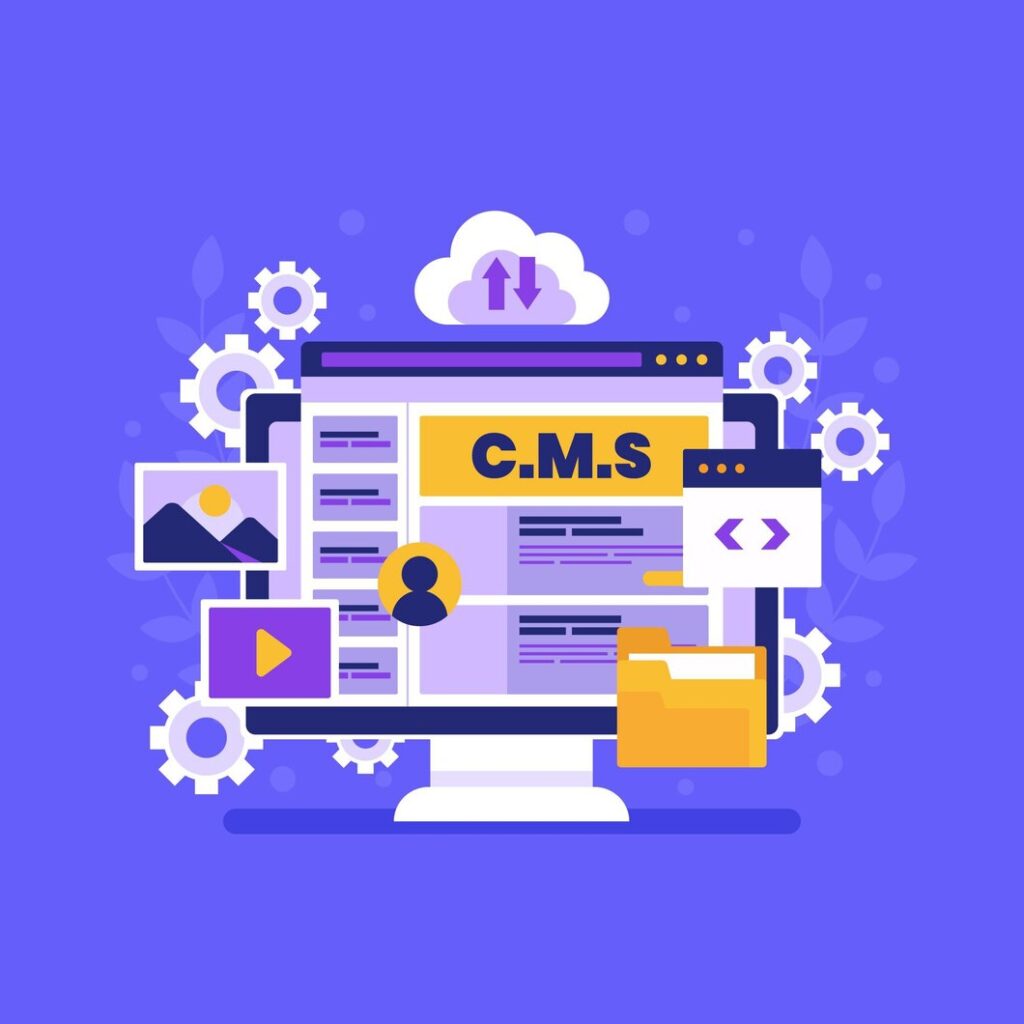
A experienced web team can help with:
- Template updates that improve semantic structure.
- Form redesign for better accessibility.
- Image and media adjustments for captions and transcripts.
- Ongoing monitoring and maintenance.
If your company in Hempstead or Nassau County depends on lead generation, appointment requests, or service inquiries, hiring support may cut time and minimize risk. The right partner can connect accessibility work with broader digital marketing, local SEO, and conversion goals.
That is especially helpful for companies supporting nearby areas such as Uniondale, Garden City, and West Hempstead, where the competition can be intense and initial impressions matter.
FAQ: Common accessibility questions from Hempstead site owners
How can I tell if my website is accessible?
Start with a compliance audit that combines automated testing and manual review. Check whether your pages work with screen readers, support keyboard navigation, have proper headings, include alt text, and maintain enough color contrast. A professional site audit can reveal issues that are easy to miss.
What are the easiest accessibility fixes to start with?
The most straightforward improvements usually involve adding form labels, strengthening focus indicators, adding better alt text, choosing clearer headings, and checking color contrast. These changes can quickly enhance usability and are a solid foundation for better ADA compliance.
Will website accessibility help SEO?
Yes. Accessibility often improves SEO because it supports search engine crawling, online visibility, user experience, and page structure. Elements like header structure, alt text, semantic HTML, and well-structured internal links help both people and crawlers understand your pages.
Sunstone Digital Tech34 Willis Ave, Mineola, NY 11501
(315) 758-3349
https://maps.app.goo.gl/raW1XN7K3jzLKAPz9
https://sunstonedigitaltech.com/hempstead-digital-marketing-agency
40.7400795, -73.6357138
Do small businesses in Hempstead need ADA-compliant websites?
Small companies in Hempstead should approach ADA compliance urgently, especially if their websites are used for calls, forms, bookings, or other customer actions. An easy-to-use site is also better for nearby customers across Hempstead, Nassau County, and surrounding communities who expect a smooth online experience.
How regularly should I test my website for accessibility?
Accessibility testing should happen routinely, not just once. Review your site after design updates, content revisions, plugin adjustments, and significant launches. Ongoing maintenance helps keep your website accessible as pages grow and technology advances. For growing businesses, a regular accessibility audit is a wise part of ongoing website management.